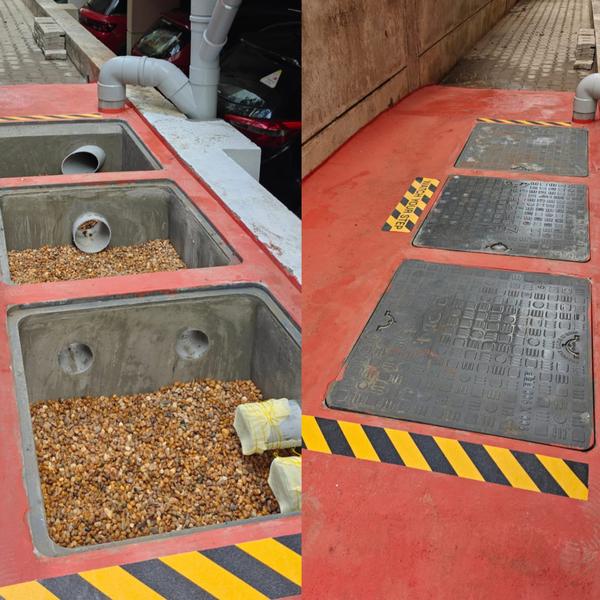

Water security begins beneath our feet. A recharge well is a simple and effective way to replenish shallow aquifers by allowing filtered rainwater to percolate back into the soil.
Our groundwater exists in two layers — a shallow (unconfined) aquifer and a deep (confined) one. Recharge wells primarily target the shallow layer, where rainwater refills the pores in soil and weathered rock. Soil pores are beautiful formations which can hold tremendous amounts of water. Once these pores are saturated, the stored water becomes part of the groundwater table, supporting open wells nearby.
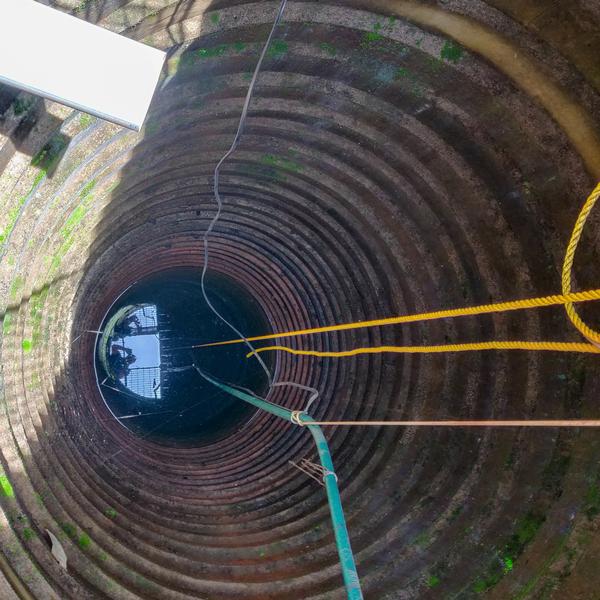
In cities like Bengaluru, where hard rock underlies a thin soil layer, recharge wells are typically 15–50 feet deep, depending on local geology. Rainwater from rooftops, roads, or paved areas is directed into these wells after basic desilting and debris removal.
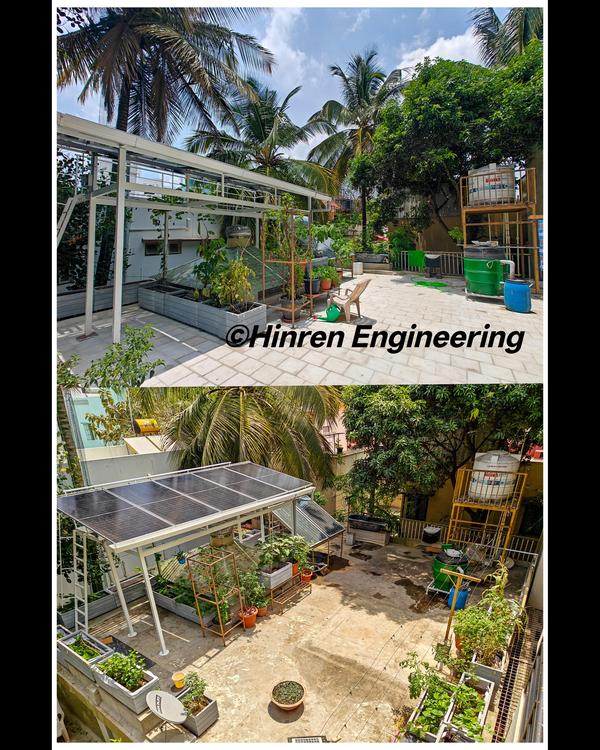
Despite rapid urbanization and insensitive concretization, many pockets of Bengaluru still hold abundant groundwater in shallow aquifers. For instance, during a recent rooftop rainwater harvesting and recharge project in East Bengaluru, potable-quality water was found at just 18 feet depth — a clear reminder that nature continues to offer resilience if we work with it rather than against it.
When implemented correctly, recharge wells:
- Reduce urban flooding by absorbing stormwater,
- Raise local water tables, improving yields in wells and tube wells.
- Enhance water quality through natural filtration and dilution.
- Reduce or eliminate dependency on costly piped water.
With periodic maintenance — desilting chambers, and testing water quality — recharge wells remain one of the most sustainable, low-cost, and decentralized ways to ensure urban water security.
By catching water where it falls, we restore not just our supply, but the balance beneath our city.
Keywords