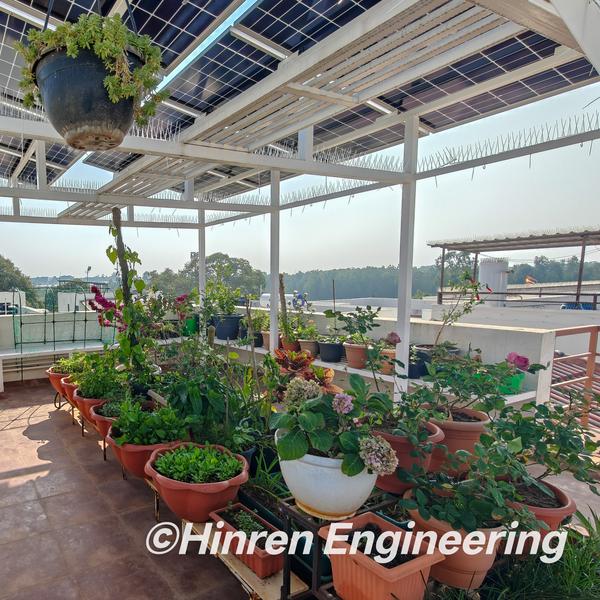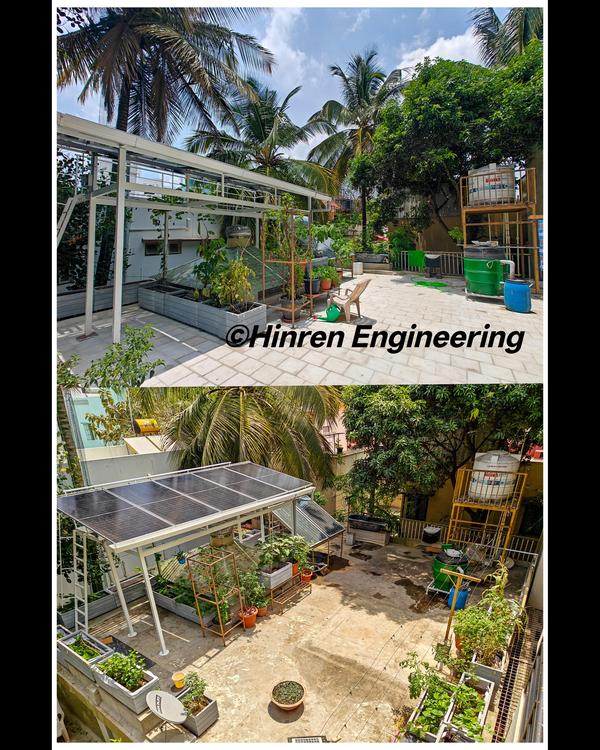

A Rooftop need not be limited to mounting solar panels—it can evolve into a multifunctional, self-sustaining ecosystem. The space beneath solar panels offers an ideal microclimate for growing foliage crops such as lettuce, cabbage, spinach, and cauliflower. The panels provide partial shade, reducing excessive solar radiation and evapotranspiration, thereby conserving soil moisture and creating favorable growing conditions even in harsh urban environments.
This hybrid approach, known as Agrivoltaics, integrates energy generation with food production. It maximizes the use of limited urban roof space, turning an otherwise single-purpose energy installation into a productive green zone. The synergy between the two systems is remarkable—plants help cool the panels naturally, improving their efficiency, while the panels protect crops from heat stress.
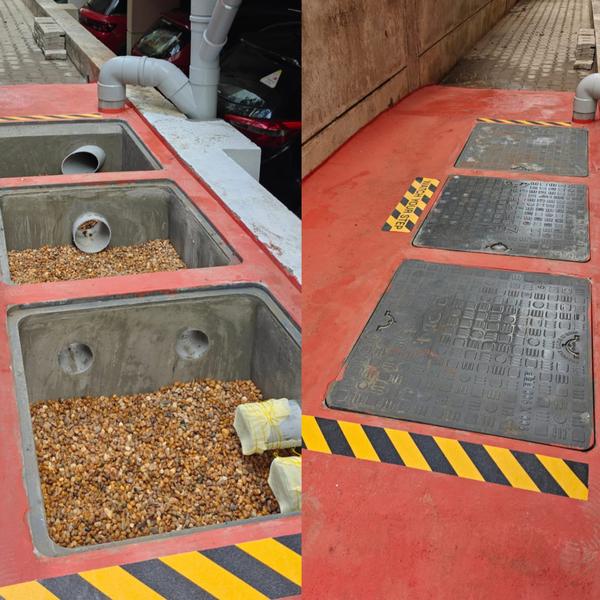
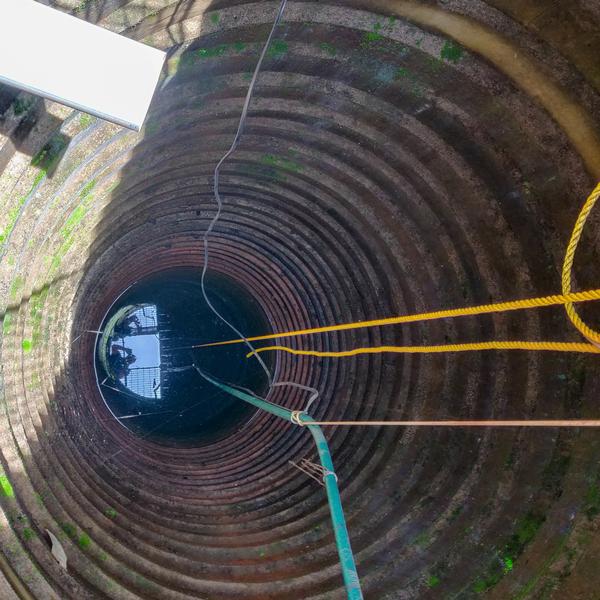
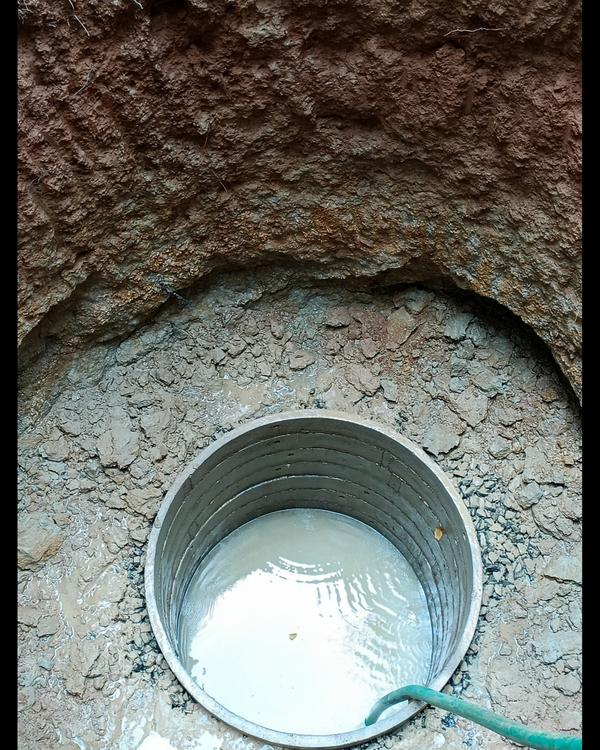
Furthermore, rooftops can serve as rainwater catchment surfaces. The smooth surface of solar panels is excellent for directing rainfall toward collection systems or recharge wells. This means the same installation can yield electricity, water, and food—three critical resources for urban resilience.
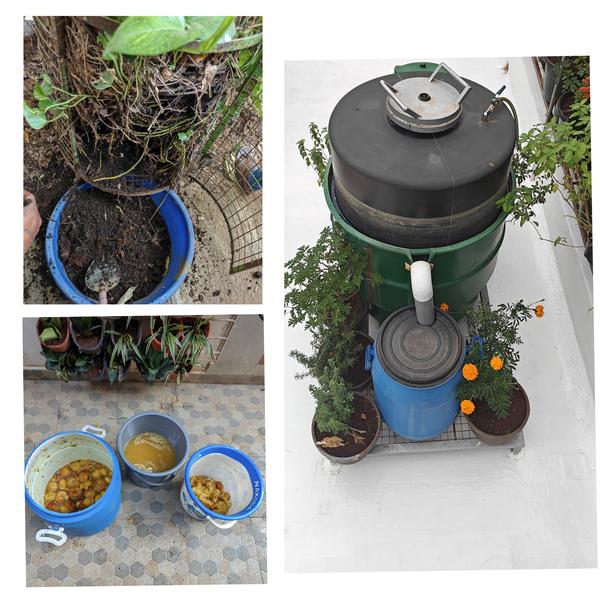
By reimagining rooftops as spaces for energy, water, and nutrition, we move toward true circular sustainability. Every drop of rain, every ray of sunlight, and every square foot of roof area can contribute to making a home or building environmentally balanced and self-sufficient.
Keywords